Restaurants push plumbing systems harder than almost any commercial building type, so robust plumbing solutions matter from day one. Peak service sends hundreds of gallons per hour through drains, dishwashers, and prep sinks. Your engineering choices during design determine whether the kitchen keeps flowing or shuts down during Saturday night dinner rush.
Florida restaurants face additional pressure from tourism cycles, humidity, and strict health inspections. A single grease backup can close the kitchen, spoil inventory, and cost thousands in lost revenue. You need MEP engineering built around the realities of high-traffic operations, not a residential mindset applied to commercial spaces.
What Makes Plumbing Solutions Robust in High-Traffic Restaurants?
Robust restaurant plumbing solutions combine right-sized grease interceptors, oversized hot water systems, and dedicated drain zones for each kitchen station. You need pipe sizing calculated for peak demand, backflow prevention on all critical fixtures, and cleanouts positioned for easy service. Coordinated design prevents shutdowns, health code violations, and cross-contamination risks.
Sizing Grease Interceptors With Practical Plumbing Solutions
Grease interceptors form the backbone of every restaurant plumbing system, and undersized units create constant headaches. Fats, oils, and grease (FOG) that escape the interceptor cause sewer blockages, sanitary overflows, and municipal fines. Additionally, undersized interceptors require pumping more often, driving up maintenance costs across the life of the building.
Sizing depends on kitchen fixtures, meals served per hour, and local jurisdictional requirements. Your engineer must calculate drainage fixture units, apply the correct retention time, and confirm minimum tank size with the local sewer authority. According to Calichi, most sewer districts require an exterior gravity grease interceptor for commercial food service, not just an under-sink grease trap, because the interceptor provides longer retention time and higher separation efficiency.
Getting the Sizing Right the First Time
Common considerations when sizing grease interceptors include:
-
Number of meals served during the busiest hour of service.
-
Fixture units from all grease-bearing sinks and dishwashers.
-
Local retention time requirements, usually 12 to 30 minutes.
-
Access requirements for pump trucks and maintenance crews.
-
Setback distances from foundations and other utilities.
Right-sized plumbing solutions balance code compliance with practical restaurant operations. Learn more about our plumbing engineering services built around commercial food service.
Designing Water Supply Plumbing Solutions for Peak Demand
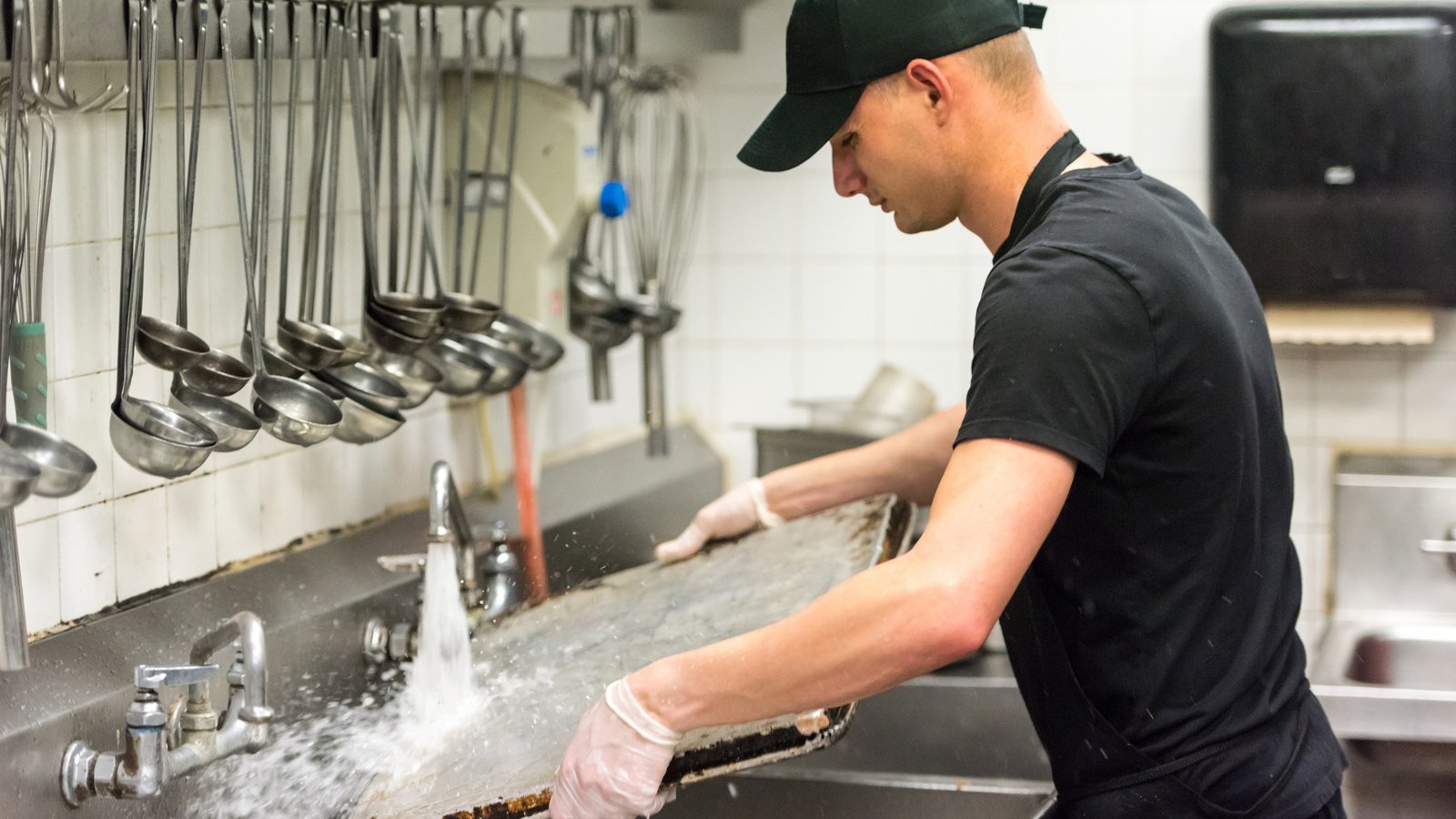
Water supply systems in restaurants face wild swings between mornings and packed dinner services. Undersized pipes create pressure drops that slow dishwashing, cooking, and cleaning during peak hours. Consequently, your engineering team must calculate demand for the busiest possible moment, not the average.
Hot water demand deserves special attention in restaurant design. Dishwashers, pre-rinse spray valves, and handwashing sinks all pull hot water at the same time during service. According to Modular Culinaire, oversizing your hot water system by 15 to 20 percent prevents service slowdowns during peak demand.
Booster pumps, recirculation loops, and correctly sized water heaters all support consistent pressure and temperature. Additionally, water pipe sizing should account for the specific kitchen equipment schedule rather than generic assumptions. Read our post on full-spectrum MEP expertise under one roof to see how coordinated mechanical and plumbing sizing supports restaurant performance.
Protecting Potable Water With Backflow Prevention Plumbing Solutions
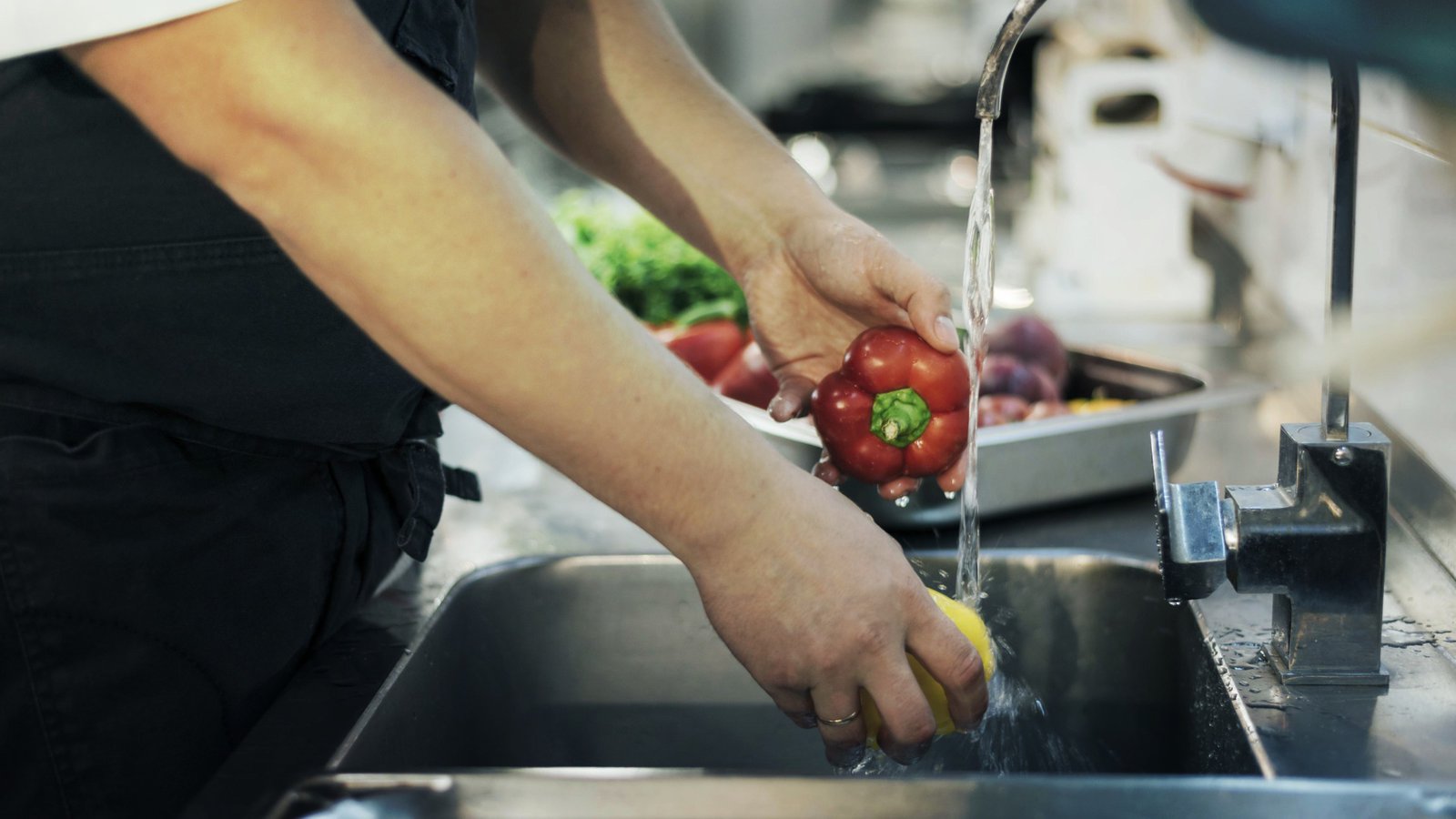
Backflow prevention plumbing solutions protect the potable water supply from cross-contamination during pressure drops or equipment failures. Restaurants use water for cooking, cleaning, and sanitation, so protection extends across dozens of fixtures. Additionally, health codes require specific backflow preventer types based on the hazard level of each connection.
Every carbonated beverage dispenser, dishwasher, ice machine, and mop sink needs the right device installed at the right location. Reduced pressure zone assemblies serve high-hazard applications like detergent injection systems on hood wash-downs. Similarly, atmospheric vacuum breakers handle lower-risk connections like standard prep sinks.
Coordinating Backflow With Kitchen Layout
Backflow devices need clearance for annual testing, and inspectors will fail installations that lack proper access. Your MEP team must coordinate device locations with the architect and the equipment schedule during design development. Read our post on aligning MEP systems with creative design to see how integrated coordination protects both function and finish.
Well-placed backflow prevention passes health inspections the first time and stays serviceable for the life of the restaurant. Poor placement creates recurring compliance issues that drain staff time and threaten operating permits.
Coordinating Drainage Plumbing Solutions Across Kitchen Zones
Drainage systems in high-traffic restaurants must handle grease, food solids, and extreme temperature swings without backing up. Every kitchen station generates a different waste stream, and combining them incorrectly causes cross-contamination or clogs. Consequently, your plumbing design should separate zones and route each stream to the appropriate treatment.
Best practice separates dishwashing, prep, and cooking line drainage into independent runs that converge at the grease interceptor. Additionally, floor drains and floor sinks need slope calculations that push water toward the drain even when the floor sees heavy foot traffic. Your engineer should walk the kitchen layout with the chef and the equipment vendor before finalizing drainage.
Cleanout access matters as much as sizing on high-volume drainage runs. Well-placed cleanouts turn a shutdown into a quick service call. Read our post on collaborative communication on job sites to see how coordination during construction protects the finished plumbing system.
Partner With TYEC for Restaurant Plumbing Solutions Built to Last
Restaurant projects reward engineering teams that understand food service operations from the inside out. TYEC brings mechanical, electrical, and plumbing expertise together under one roof, giving your restaurant one accountable partner across every discipline. Our principals stay personally engaged from schematic design through commissioning on every Florida hospitality project.
You deserve an MEP firm that sizes systems for real peak demand, coordinates with the chef and equipment vendors, and delivers designs that hold up in the field. Whether you are planning a new restaurant, a hotel food and beverage operation, or a fast-casual concept, our team is ready to help. Send our team a message through our contact page to talk through your project today.