A luxury mansion is defined by what you see. The marble floors, soaring ceilings, and custom millwork all tell a story of craftsmanship. But the systems hidden inside the walls tell a different story. MEP engineering (mechanical, electrical, and plumbing) is the backbone of every high-performance luxury home. When done right, it disappears completely. When done wrong, it becomes the most expensive problem in the building.
Why Luxury Homes Demand a Different MEP Engineering Approach
High-end custom mansions are not simply larger versions of standard homes. They operate differently. They have far more complex demands.
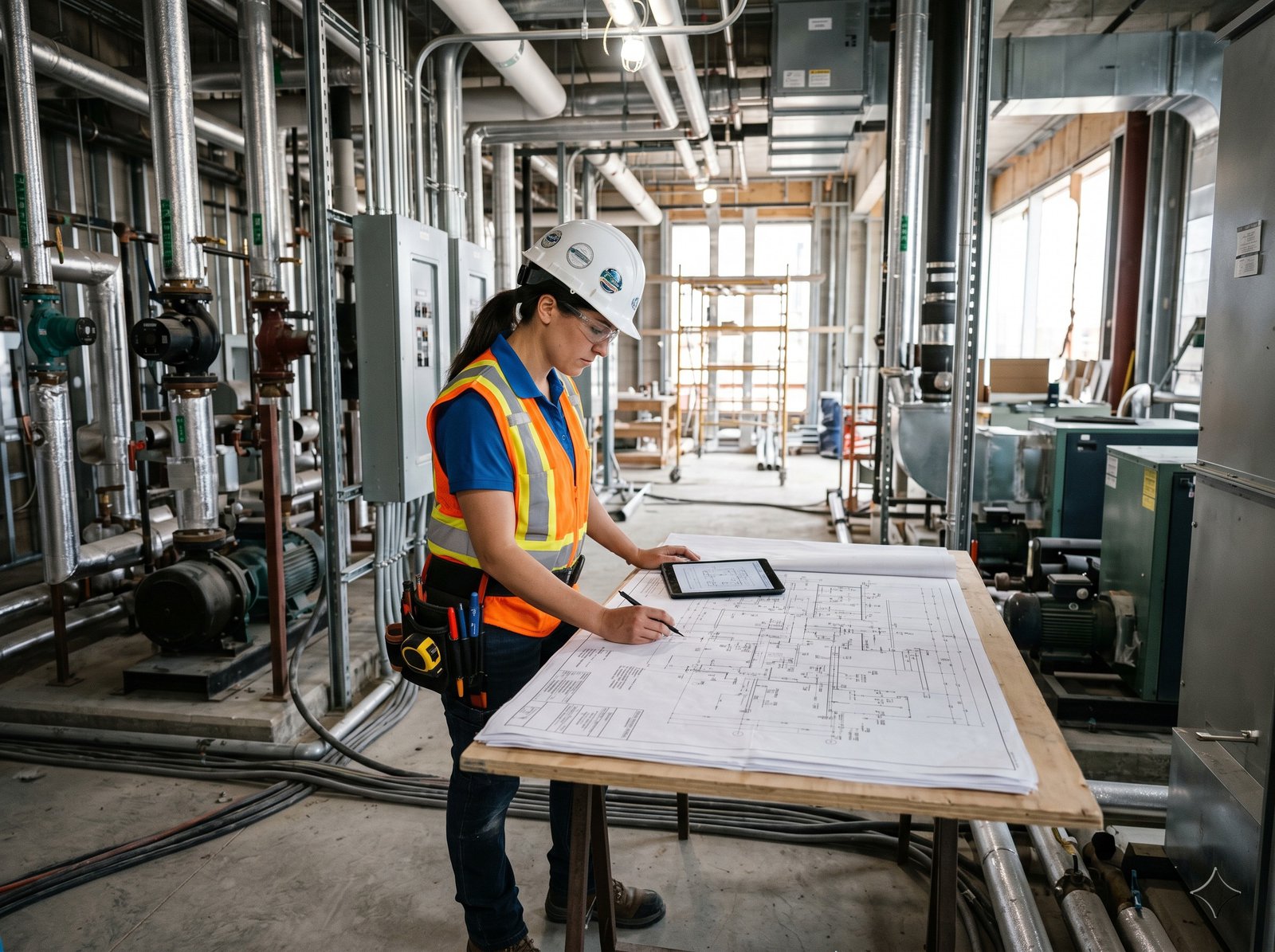
Consider what a luxury residence typically includes:
-
Home automation tied to HVAC, lighting, and security systems
-
Multiple HVAC zones serving wine cellars, home theaters, and rooftop terraces
-
Spa-level plumbing features like steam rooms, soaking tubs, and heated floors
-
Backup power systems, solar integration, and EV charging infrastructure
-
Smart water management and whole-home filtration
Each feature requires precise coordination. One missed connection between systems can cause performance issues, delays, or costly rework.
MEP Engineering Coordination With Architecture Is Non-Negotiable
Luxury architecture is intentional. Every ceiling height, wall depth, and floor plan decision is made with purpose. MEP systems must work within those constraints, not fight against them.
This is where many projects run into trouble. Engineers who don't understand the architectural vision design systems that conflict with the design intent. Bulky ductwork gets routed where it shouldn't. Electrical panels end up in visible locations. Plumbing chases disrupt finished spaces.
The best MEP engineers read the architecture first. They ask questions early. They find solutions that serve both function and form. That kind of collaboration protects the design and keeps the project on schedule.
Mechanical Systems: Comfort Without Compromise
Thermal comfort in a luxury home is a high standard. Homeowners expect consistent temperatures in every space. They expect quiet operation and energy efficiency.
Achieving this requires more than oversizing equipment. It requires thoughtful zoning and accurate load calculations. It requires systems that perform at a high level without consuming excessive energy.
Radiant floor heating, variable refrigerant flow (VRF) systems, and dedicated outdoor air systems (DOAS) are common in high-end residential projects. Each has specific design requirements. Each must be coordinated with structural and architectural elements. Getting this right takes experience and precision.
Electrical and Plumbing: Where Luxury Lives in the Details
Electrical design in a luxury home goes far beyond code compliance. Home theaters need dedicated circuits and low-noise power. Outdoor kitchens need weatherproof distribution. Smart home systems need structured wiring built to last for decades.
Plumbing in custom mansions also carries a higher bar:
-
Fixtures with specific pressure and flow requirements need properly sized supply lines
-
Pools, hot tubs, and irrigation systems add significant load to the system
-
Water features and fire elements require careful integration with both plumbing and mechanical systems

A poorly specified water heater or an undersized electrical panel can undermine the entire experience of living in the home. Every detail matters at this level.
Bringing It All Together With the Right MEP Engineering Partner
Thompson & Youngross Engineering Consultants (TYEC) brings full-spectrum MEP expertise to high-end residential and commercial projects across the Southeast. Their team understands that luxury projects require precision, coordination, and responsiveness. Deadlines matter. Design integrity matters.
TYEC works closely with architects from the earliest stages of design. They identify potential conflicts before they become problems on-site. Their solutions are practical, code-compliant, and tailored to each project. No over-engineered systems. No unnecessary complexity.
Your Vision Deserves Engineering That Can Keep Up
You've invested in a design worth building. Don't let the engineering become the weak link. Your project needs MEP systems designed with the same level of care as the architecture itself.
Reach out to Thompson & Youngross Engineering Consultants today. Let's build something that works just as beautifully as it looks.
FAQ
What is the difference between residential and commercial MEP engineering? Residential MEP engineering focuses on comfort, livability, and integration with home automation. Commercial MEP deals with higher occupancy loads, more complex code requirements, and larger-scale systems. High-end custom homes often blur that line and demand near-commercial levels of engineering rigor.
How does MEP engineering affect a home's long-term operating costs? Proper system sizing and selection directly impacts energy consumption and maintenance frequency. Oversized or poorly coordinated systems tend to cycle inefficiently, wear out faster, and cost more to operate over time.
Can MEP systems be designed to support future technology upgrades? Yes. Quality MEP design includes conduit pathways, spare electrical capacity, and flexible infrastructure for future smart home additions. This approach, known as future-proofing, is standard practice in high-quality residential engineering.
How does MEP engineering affect a luxury home's resale value? Buyers in the luxury market increasingly ask about system performance, energy efficiency, and smart home integration. Well-documented, well-designed MEP systems reduce operating costs and add real marketable value to the property.