Mid-rise apartment projects come with real complexity. Coordinating mechanical, electrical, and plumbing systems across multiple floors takes careful planning. But complexity doesn't always mean better. Over-engineering is one of the most common and costly mistakes in multifamily construction. It quietly inflates budgets, extends timelines, and creates maintenance headaches for years to come. Knowing how to spot it early can save your project significant time and money
What Over-Engineering Actually Looks Like
Over-engineering isn't always obvious at first glance. Sometimes it shows up as oversized HVAC equipment for a building's actual load. Other times it's redundant systems that add cost without adding value. It can also look like overly complex pipe layouts when a simpler design would perform just as well.
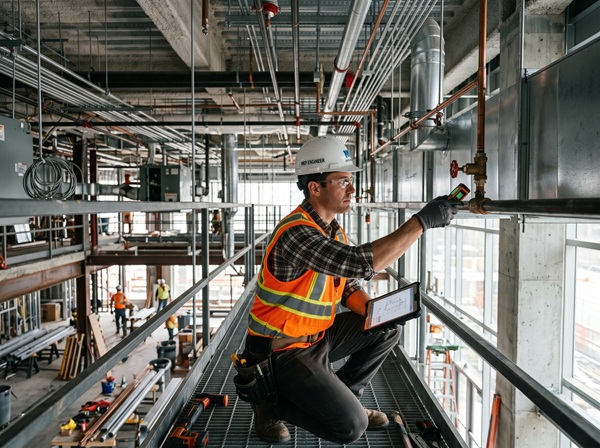
In mid-rise apartment buildings, the problem often starts at the design stage. Engineers without multifamily experience may default to overly conservative calculations. This leads to equipment that's larger than necessary. Larger equipment means higher upfront costs. It also means higher energy consumption and more expensive ongoing maintenance.
The root issue is often a lack of collaboration. When engineers work in isolation, designs don't reflect the full picture of what the building actually needs.
The Real Cost of Complexity
Over-engineered systems cost more than just money at closeout. Here's what project teams typically absorb:
Higher construction costs: Oversized mechanical rooms reduce rentable square footage. Redundant systems add material and labor costs that weren't budgeted for.
Longer timelines: Complex designs take more time to coordinate, permit, and install. Delays compound quickly on multi-floor projects.
Ongoing operational costs: Oversized equipment often runs inefficiently. Building owners pay more in energy and maintenance long after move-in.
These costs don't show up in a single line item. They spread across the project and beyond.
How Coordination Gaps Fuel the Problem
Many over-engineering issues aren't just design mistakes. They're coordination failures. When MEP disciplines don't communicate with each other, or when engineers aren't aligned with the architect's vision, redundancies creep in.
A common scenario: the mechanical engineer sizes ductwork without accounting for ceiling height constraints. The electrical engineer runs conduit in a path that conflicts with plumbing. Each decision seems reasonable on its own. Together, they create a system that's harder to build and more expensive to maintain.
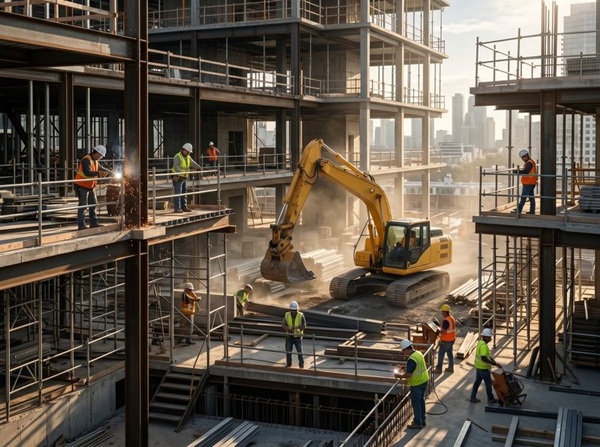
Close coordination between all disciplines is not optional. It's what separates a right-sized design from one that wastes everyone's resources.
Designing for What the Building Actually Needs
Right-sized engineering starts with asking the right questions. What are the actual occupancy loads? What does code require versus what's truly necessary? Where can systems be simplified without sacrificing performance?
This is where Thompson & Youngross Engineering Consultants (TYEC) brings real value to mid-rise apartment projects. Their team handles mechanical, electrical, and plumbing under one roof. All three disciplines are coordinating from day one. Designs stay aligned. Nothing gets over-specified in isolation.
TYEC tailors every system to the project's actual technical and budgetary needs. Their goal is a design that performs well, installs cleanly, and doesn't cost more than it should.
Stop Paying for Engineering Your Building Doesn't Need
If you're planning a mid-rise apartment project, your MEP systems deserve the same attention as your floor plan. Choose an engineering partner that asks the right questions upfront. Make sure they're coordinating across disciplines, not just handing off drawings.
At TYEC, we work closely with architects, developers, and general contractors throughout the Southeast. We're here to make sure your systems are designed for your building, not a generic version of one. Reach out to our team today.
Frequently Asked Questions
What size project qualifies as a mid-rise apartment building? Mid-rise apartment buildings are generally defined as four to twelve stories tall. Exact definitions can vary depending on local building codes and zoning classifications.
How early in a project should MEP engineers be brought in? The earlier, the better. Involving MEP engineers during schematic design helps prevent costly clashes and redesigns later in the project.
Can over-engineering affect code compliance? Not directly. Over-engineered systems still meet code. But they often exceed what code requires, adding unnecessary cost without a meaningful functional benefit.
What is the difference between a conservative design and an over-engineered one? A conservative design accounts for reasonable safety factors and realistic future needs. An over-engineered design goes beyond that. It adds complexity or capacity the building will never actually use.