Luxury hotels sell an experience, and every detail contributes to whether guests feel indulged or disappointed. Behind the marble, millwork, and lighting design sits the MEP design that quietly makes everything work. When mechanical, electrical, or plumbing systems fail to perform, no thread count or lobby chandelier can rescue the stay.
You cannot separate hotel guest satisfaction from the engineering that shapes room comfort. Temperature, humidity, water pressure, and acoustic quality all trace back to decisions made during design. Getting mechanical, electrical, and plumbing (MEP) coordination right protects both the guest experience and the property's reputation.
How Does MEP Design Impact the Luxury Hotel Guest Experience?
MEP design impacts luxury hotel guest experience through room temperature stability, quiet operation, water quality, and lighting control. Poor MEP design creates temperature complaints, noisy equipment, weak water pressure, and inconsistent hot water delivery. Integrated design protects sleep quality, comfort perception, and repeat booking rates for luxury properties.
Room Comfort Starts With Thoughtful HVAC MEP Design
Room temperature ranks as the number one driver of hotel guest complaints across the industry. Even a one-degree swing can trigger a negative review, especially in the luxury segment where expectations run higher. Your MEP design must deliver stable temperatures within minutes of guest arrival across every room type.
Humidity control matters just as much as temperature in Florida hotel projects. Coastal humidity leaves rooms feeling damp when dehumidification is undersized or poorly zoned. Additionally, oversized cooling equipment cycles too quickly to remove moisture from the air.
The financial stakes are real for hotel operators. According to ehotelier, 24 percent of all guest complaints are about room temperature. Right-sized MEP design prevents most of those complaints before they ever reach the front desk.
Practical HVAC decisions that protect luxury guest comfort include:
-
Zoning that lets each room reach setpoint within 15 minutes of arrival.
-
Dehumidification sized for Florida coastal humidity loads year-round.
-
Variable capacity equipment that cycles smoothly at partial loads.
-
Thermostats with intuitive controls and visible temperature displays.
Your MEP design team should study occupancy patterns, sun exposure, and glazing loads for every room type. Learn more about our approach through our mechanical engineering services tailored for hospitality projects.
Acoustic Quality Depends on Coordinated Design
Guests notice noise the moment they close the door on their luxury suite. Compressor hum, ductwork rumble, plumbing water hammer, and elevator vibration all break the sense of quiet that guests are paying for. Your MEP design must address acoustics from schematic phase, not after guests start complaining.
The Sleep Quality Standard Luxury Guests Expect
Luxury properties compete on sleep quality, and MEP noise is one of the fastest ways to lose that competition. According to Hospitality Institute, guest rooms should maintain noise levels below 40 decibels for optimal sleep quality. Older or poorly designed systems can push rooms well above that threshold.
Common acoustic MEP design decisions for luxury hotels include:
-
Vibration isolation pads under all rooftop and mechanical room equipment.
-
Duct lining and low-velocity design to reduce airflow noise.
-
Pipe routing away from shared walls between guest rooms.
-
Water hammer arrestors installed at every fixture group.
Careful equipment selection also matters as much as the routing decisions. Additionally, mechanical rooms should sit far from guest sleeping areas whenever the floor plate allows. Read our post on HVAC trends for modern mansions for related acoustic design considerations.
Plumbing Design Shapes Bathroom and Wellness Experiences
Type caption (optional)
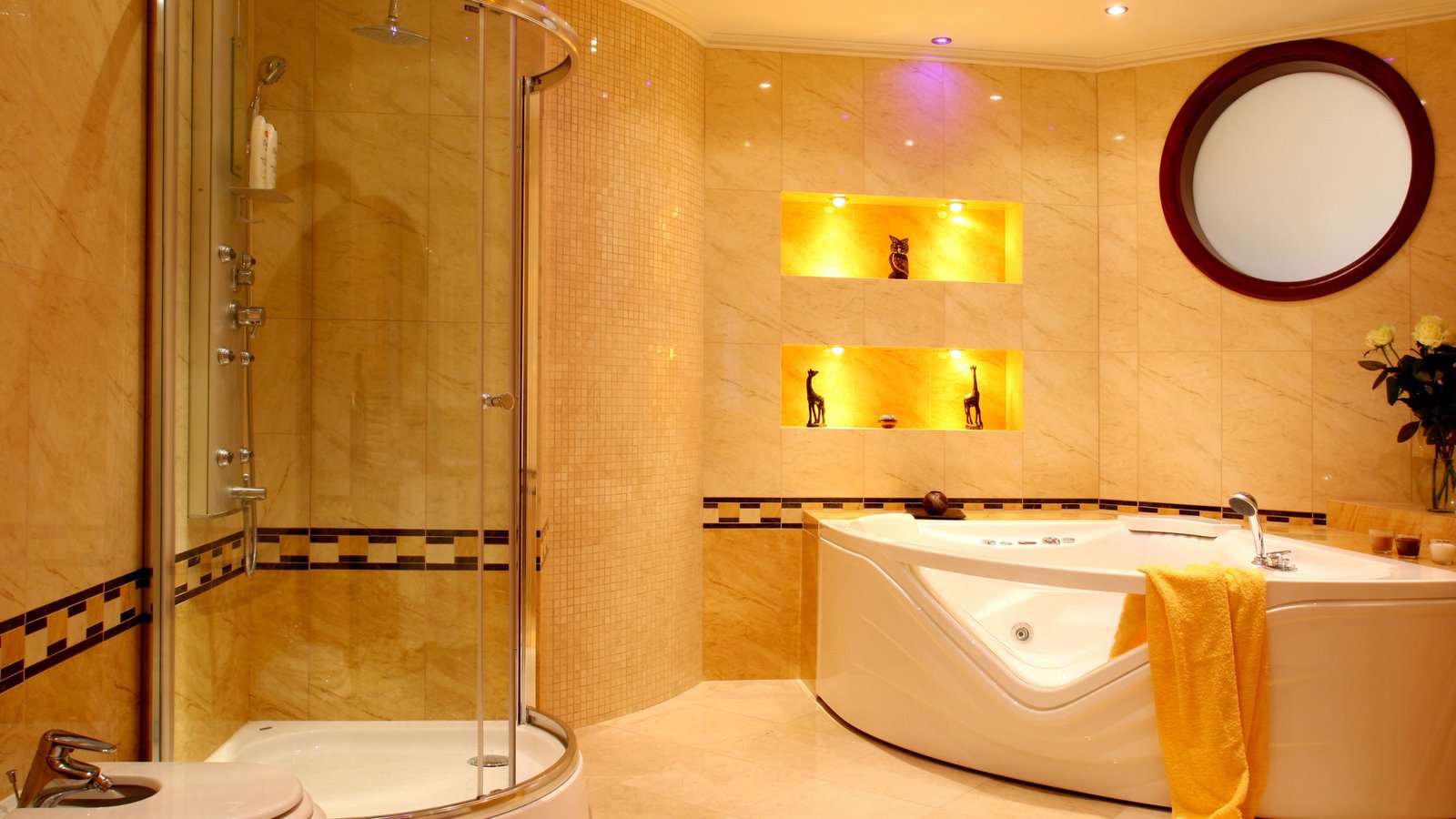
Luxury bathrooms deliver some of the strongest guest memories, whether the impression lands positive or negative. Weak shower pressure, lukewarm water, or slow drainage can undo an otherwise flawless stay. Your plumbing MEP design must deliver consistent flow, temperature, and pressure to every guest fixture.
Hot water recirculation systems keep the wait time short at every tap and shower. Additionally, thermostatic mixing valves protect guests from scalding while maintaining comfortable shower temperatures. Right-sized water heaters and storage tanks handle peak morning demand without dropping below setpoint.
Wellness amenities add complexity that requires early coordination with the architect. Rain showers, spa tubs, steam rooms, and lap pools all place unique demands on the plumbing infrastructure. Our team designs plumbing systems that match luxury fixture selections without oversizing pipes or pumps. Explore our plumbing engineering services for hospitality projects across Florida.
Lighting and Electrical MEP Design Set the Emotional Tone
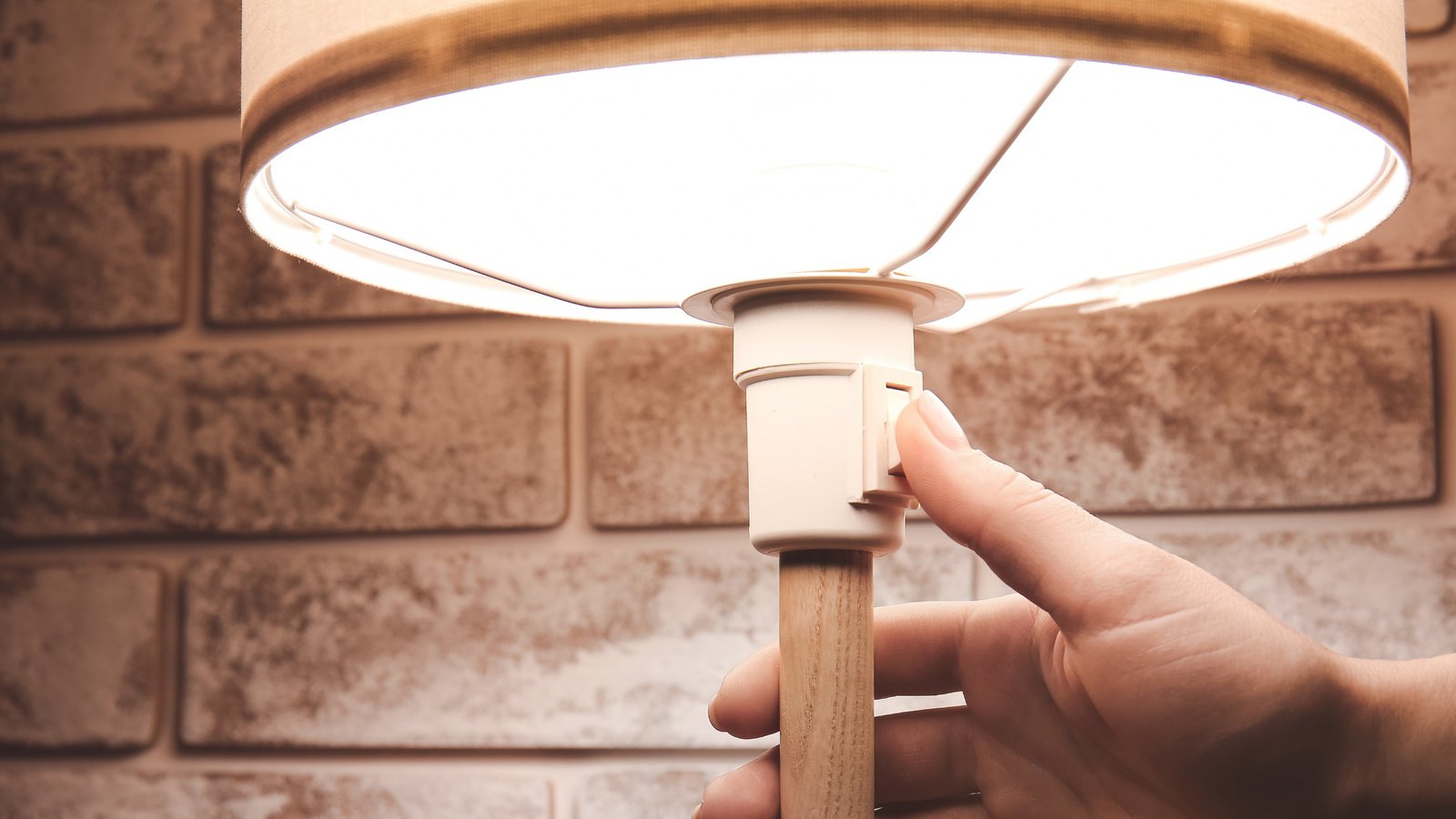
Lighting design shapes how guests feel from the moment they walk through the lobby door. Warm color temperatures, layered scenes, and dimmable controls create the intimate atmosphere luxury hotels sell. Your electrical MEP design must support the lighting designer's vision without compromising code compliance or energy budgets.
Type caption (optional)
Scene control systems let guests adjust lighting for reading, dressing, or sleeping without hunting through menus. Additionally, keycard-linked circuits automatically dim non-essential loads when the room is unoccupied. Well-planned circuiting also lets housekeeping and maintenance work efficiently without disturbing adjacent guests.
Electrical coordination extends to specialty systems that shape the guest experience. In-room technology, motorized shades, minibar refrigeration, and charging outlets all require thoughtful circuit planning. Your MEP design team should sit with the interior designer to place every outlet where guests actually want it. Read our post on full-spectrum MEP expertise to understand how coordinated design protects the finished result.
Partner With TYEC for Hospitality MEP Design That Elevates the Experience
Luxury hotel projects reward engineering firms that understand both hospitality operations and architectural intent. TYEC brings mechanical, electrical, and plumbing expertise together under one roof, so your design vision gets protected across every trade. Our team has delivered MEP design for resorts, boutique hotels, and hospitality venues across Florida and the Caribbean.
You need an engineering partner who listens to the architect, respects the operator's budget, and delivers systems that guests never notice. Whether you are planning a new resort, renovating a historic property, or expanding an existing brand, our team is ready to help. Send us a message through our contact page to talk through your next project.